
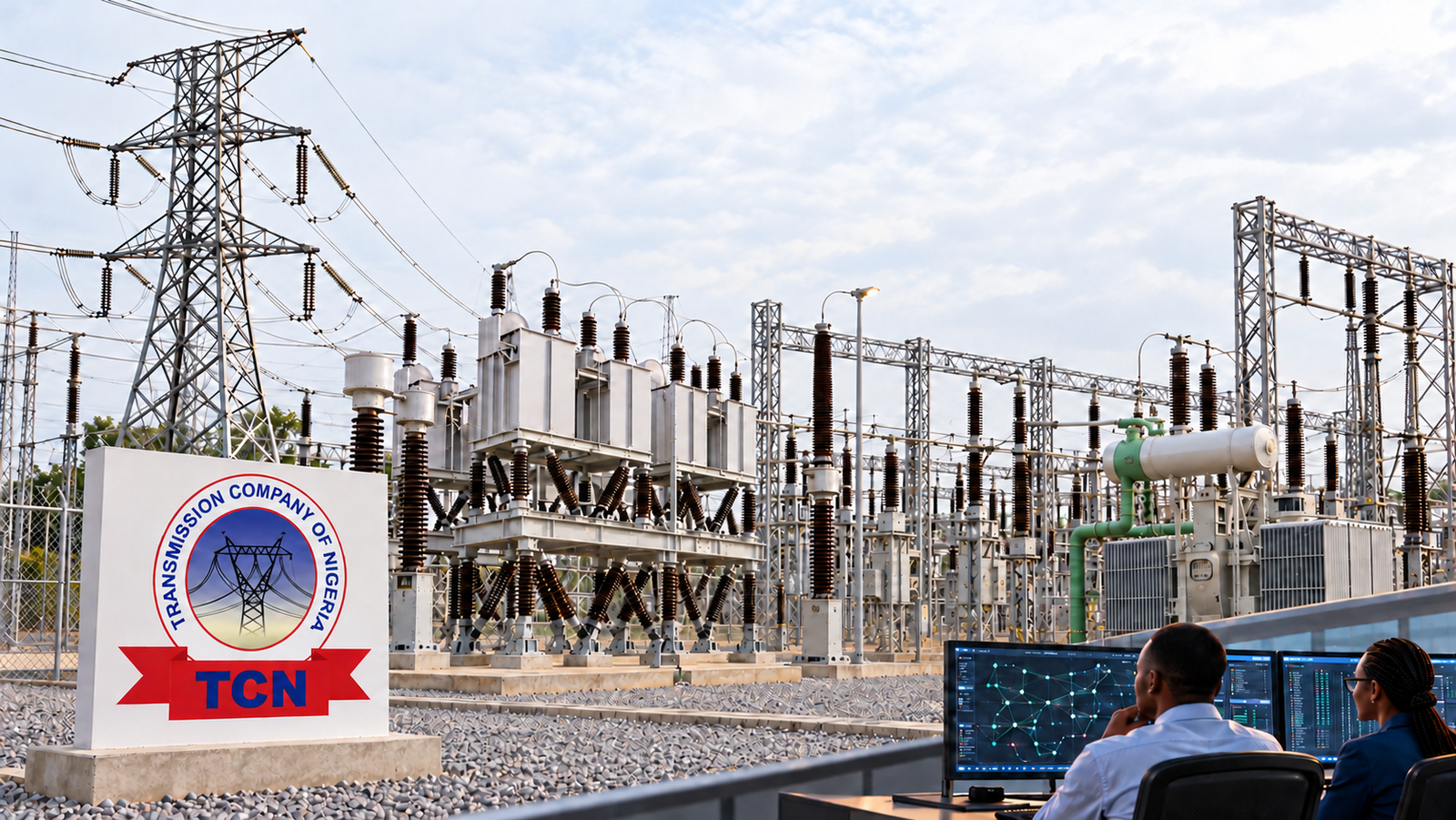
If generation is the source and distribution is the last mile, transmission is the motorway in between. Power plants produce electricity, the transmission network carries it over long distances, and distribution companies deliver it to homes and businesses.
The Transmission Company of Nigeria (TCN) is responsible for that high-voltage network. It does not generate electricity, and it does not sell it to households. Understanding its role now also means understanding the Nigerian Independent System Operator (NISO).
What changed under the Electricity Act 2023
Historically, TCN housed three functions: transmission services, system operation and market operation. The Electricity Act 2023 provided a clearer framework for separating those responsibilities. NERC’s implementing order, effective 1 May 2024, directed the transfer of market and system operation functions, together with their associated assets and liabilities, to NISO. TCN retained its Transmission Service Provider role.[1]
One detail is often missed. TCN was not divided into separate Market Operator and System Operator companies. Both functions sit within NISO, while TCN remains responsible for transmission infrastructure.
| TCN | NISO | |
|---|---|---|
| Role | Transmission Service Provider | System Operator and Market Operator |
| What it handles | The lines, towers, transformers and substations | Dispatch, system stability, and wholesale market settlement |
| Motorway analogy | Owns, maintains and expands the road | Directs the traffic and runs the toll accounts |
Source: NERC order and NERC “Who Does What” guidance.[1][2]
What TCN does
TCN owns, maintains and develops the national transmission network: the high-voltage lines, towers, transformers and substations that move bulk electricity across the country. Its responsibilities include repairing damaged equipment, maintaining existing facilities and expanding the network. Those assets must be available and perform reliably for the power system to function.[2]
Where NISO fits
NISO’s System Operator function coordinates the national power system, including scheduling and dispatching generating plants, balancing supply with demand, and maintaining system stability. Its Market Operator function administers the wholesale electricity market, including participant registration, energy accounting, billing and settlement. These are industry transactions rather than household electricity bills.[2]
For a fuller explanation of these responsibilities and how they affect the electricity market, read our NISO explainer.
Who is responsible when the lights go out?
A blackout alone does not identify the responsible institution. The cause must be established.
How to read a blackout like an analyst
- TCNA transmission equipment failure raises questions about the condition and maintenance of TCN’s assets.
- NISOA dispatch or system-control problem raises questions about NISO’s operational decisions.
- BothSome incidents involve several failures across the electricity supply chain.
The distinction should guide an investigation without prejudging its outcome. A grid disturbance may involve equipment condition, protection systems, generation performance and operational responses. Evidence is needed to establish what failed, how the disturbance spread and which parties were responsible.
Why the distinction matters
Clear responsibilities make it easier to assess performance. For TCN, the questions concern the condition, availability and development of transmission infrastructure. For NISO, they concern system coordination and market administration. The two institutions must work together, including on network capacity and expansion requirements.[2]
Separating the roles does not by itself guarantee reliable electricity. Reliable service still depends on functioning equipment, sound operating decisions and coordination across generation, transmission and distribution.
Follow the evidence, not the headline.
TCN maintains and expands the motorway; NISO coordinates the traffic and administers the market using it. Both matter to electricity supply, but their responsibilities differ. When the lights go out, accountability should follow the evidence about the cause of the failure.
Keep reading
Sources and notes
- NERC — Order on the Establishment of the Independent System Operator, 2024
- NERC — Who Does What Under the Electricity Act 2023